
18 Good Habits for Better Eyesight
Want to improve your eyesight? Here are some tips to help you.
- Avoid rubbing your eyes. A piece of dirt may scratch your eye, and the pressure of the fingers temporarily distorts the shape of the eye. If they feel as if they need to be rubbed, try big squeezy blinks or splashing your eyes with water.
- Avoid ‘parking’ the eyes on a spot and then going on a mental journey elsewhere. This is one of the worst forms of staring. If you need to ‘meditate’, close your eyes or blink more frequently.
- Balance your head above the spine. Check with a mirror whether your head is tilted to one side or slightly back. If the head is at any position other than looking straight ahead with a free neck, the circulation to the eyes will be interrupted, and the eyes will not be in the optimum position for good eyesight.
- Be aware of forcing your vision. The harder you look, the poorer the vision. Try closing your eyes or looking away for a moment. Be soft with your eyes; let them feel as if they are floating gently in their sockets.
“All persons with imperfect sight, whether due to shortsightedness, astigmatism, cataract or glaucoma ‘, try to concentrate’.” Dr Bates, Better Eyesight Magazine, April 1924.Concentration is impossible without strain. So concentration or trying to concentrate is actually an injury. What we are after is relaxation in activity.
- Turn your eyes and nose towards the person or object you are looking at.
- Relax your jaw and breathe freely while doing close work.
- Use the eyes as a paintbrush, dotting the attention over an object or face aiming to get a sensation of leaving the bit you were looking at behind while you shift your attention to another spot.
- Get some natural light each day. Even if it is cloudy, get outside and turn your face to the sky.
- Keep your attention in the ‘here and now’. For example, look for a colour or count how many windows are in a building. The aim is to make light mental contact or “touching” your attention with whatever you are looking at. Vision work is about being interested in the present, not thinking about something different to what you are doing.
- Are you holding your breath? Your eyes require a higher percentage of oxygen than any other part of your body. Breathe fully. Yawning is good too!
- Check your blinking habits. Blinking stimulates lubrication of the eyes (tears wash, disinfect and moisturise). It also momentarily rests the eyes. Blinks should be soft, easy and aim to do a light blink every two or three seconds. You can practise by blinking every two or three steps when walking.
- Rest the eyes either by closing them or by palming. If you do, they won’t get tired. See the palming blog for more info.
- Avoid doing any heavy reading after an illness. The eyes need as much rest as the rest of the body.
- Vision is like a tap. Tension turns it off; relaxation turns it on.
- Relaxation of the eyes and mind brings relaxation and improved circulation of the whole body.
- Remember, good vision is effortless and painless, like the sense of smell and hearing.
- Always look for what you can see. Not for what you can’t
- Keep a diary about your eyesight and your emotions and what you need to remember about your own eyes. This enables you to look back and read your progress.
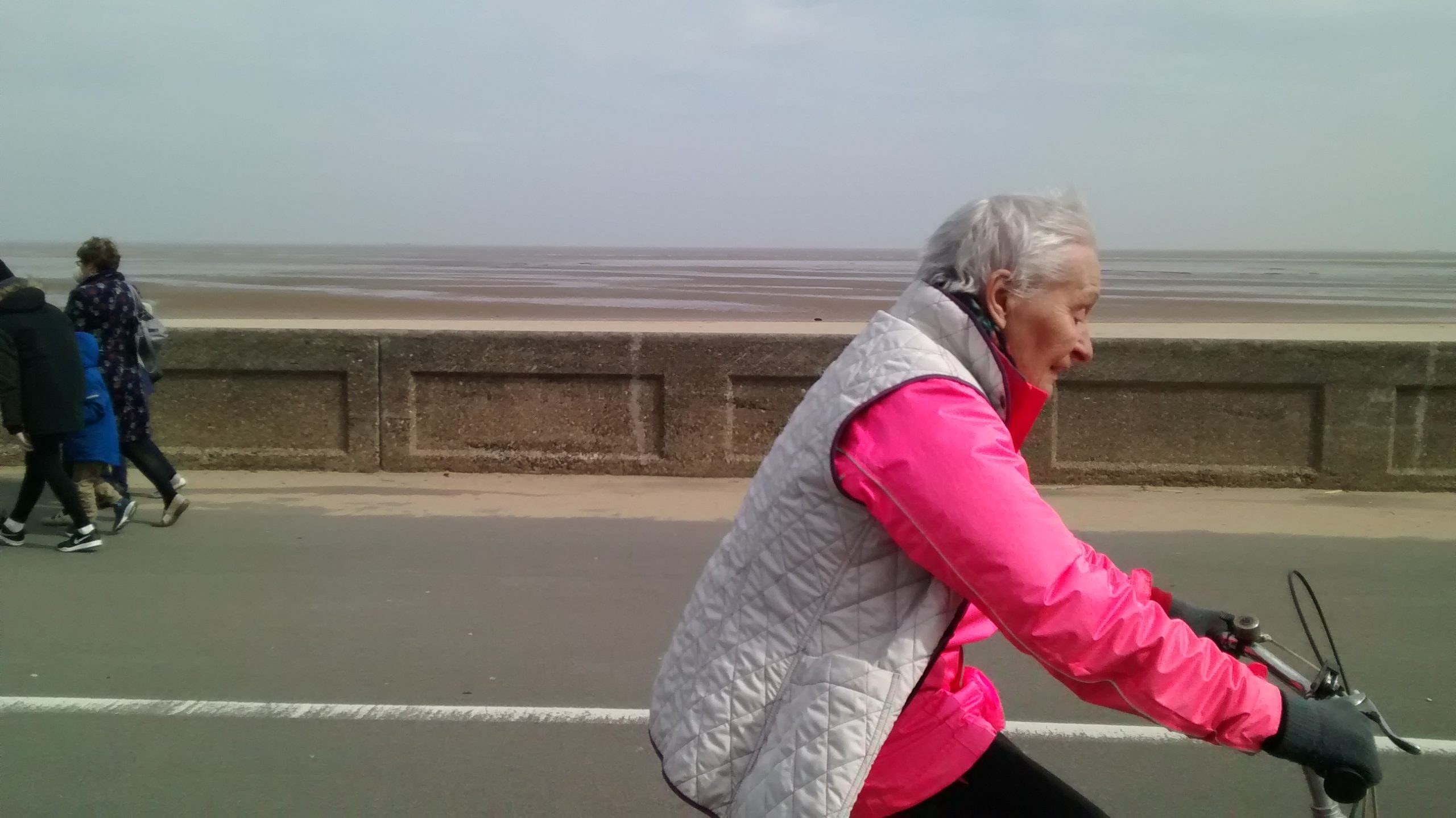
These tips are shared in memory of Bates Method teacher Elizabeth Cheetham who died this year. She trained in 2005/2006 with Aileen Whiteford and Margaret Montgomery. She inherited a version of this good eye habits list from her long line of teachers and developed it in her style to this version. She was a great advocate for the method, giving talks and sharing her enthusiasm far and wide. The Bates Method became an important part of her life, and when she retired from formal teaching, she continued to pass on vision tips and help all the people she came into contact with in her daily life. We share these good eye habits, as she did, as a memorial and to keep her passion for the Bates method alive.