
In February 2020 a group of Bates Method teachers met to discuss their work. Here are some of the highlights of their conversation about the philosophy of the Bates Method.
What is The Bates Method?
Anthony: The focus of the Bates Method is sometimes more on exercises but what our work is, is to help people make things more fun and more interesting. We need to ask, how can my client come away from a Bates session with their eyes feeling relaxed and at ease? How can they come away asking themselves questions like – Can I look at things as though looking at them for the first time? Can I look at somebody’s face without it drawing attention, yet at the same time, seeing more about that person’s face and appreciating more about that person than I would do if I was looking automatically.
Peter: My personal approach is to always use the exercise as a vehicle for learning something about how we react, how we respond. So the exercise is only an activity that you can work with in order to do that finding out, but it’s the finding out that’s the important thing. That insight is crucial. I think that the question is not so much whether or not one uses any traditional Bates practices but how one uses them and how one understands them.
Not doing anything just observing
Peter: I think the thing is really captured in the essence of the ideas of doing and non-doing and the important thing is that if one is going to get any benefit at all from working with the traditional Bates procedures, it needs to be understood in terms of non-doing, of perceiving and experiencing and not of trying to make things happen.
Anthony: Well, that’s the Bates Method isn’t it?
The Art of Seeing
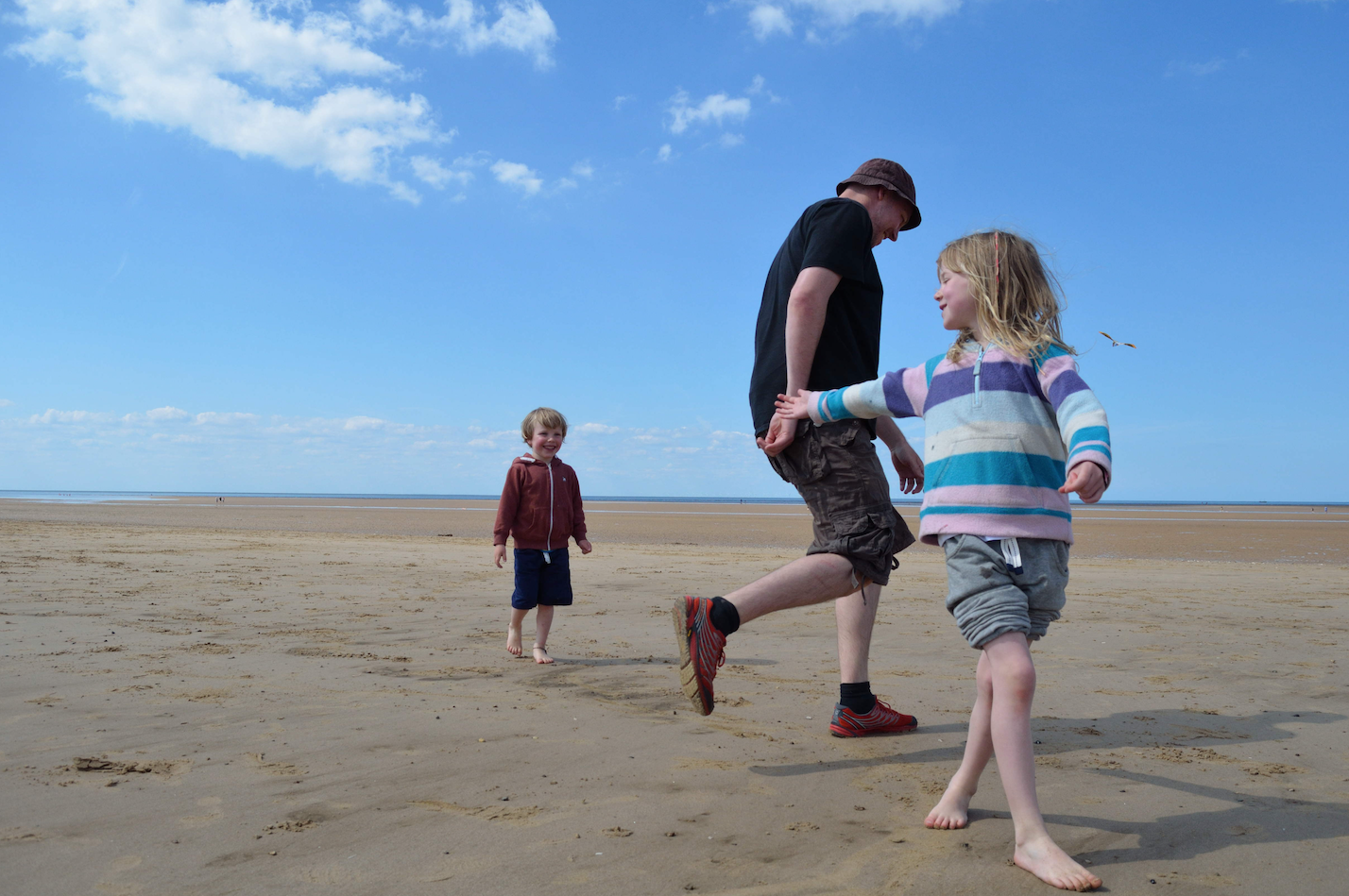
Peter: Yes, but that’s also the Alexander technique, and it’s also I would say the ‘true’ way of approaching almost anything you want to do. This is what is being described by Aldous Huxley in “The Art of Seeing” and he relates it to the perennial philosophy of Taoism and Zen and so on, which is exactly what it is. It’s very clear to me that actually practising the Bates method while it makes use of the insights that Dr Bates had and the procedures that he found useful the secret is in applying those procedures within that spirit. And that is the thing that is hard to communicate directly and which people tend not to get. It is always constantly refreshing and renewing our thinking about what it means to allow things to happen, to become, rather than to make things happen through doing them. Putting that into a leaflet is a hard thing to do. In practice, however, it can be quite simple, for example, very often in a lesson I will just invite a student to play catch with a ball and then noticing what they do I can point out how much anxiety and tension they will bring to that simple action and then by looking into it further can teach them how to relax through play.
Anthony: And that can be great with children.
Peter: It’s also very good with adults.
Anthony: Of course, it is.
The essence of the Bates Method is simple but subtle
Margaret: On our courses, it was difficult to convey the essence of what we were trying to teach. People would come wanting a quick fix; they wanted to come on a course to learn exercises and to add it to whatever they were doing. Our biggest job has been to develop an understanding of the subtlety and depth of the work to our new teachers.
Peter: Yes and I think that this comes to the nature of relaxation because one of the hard things about working with Bates is that because he uses the terminology of relaxation rather than going through the rather involved approach that Alexander, for example, adopts. Everybody comes along thinking that they know what relaxation is about and that that’s a done deal. People will be quite sure that they are doing the right thing because they’re applying relaxation as they understand it. A big part of working with the Bates Method is about in practice finding out that actually relaxation is something completely different to what one might have thought it was. I find that people who aren’t prepared to find that out or even to admit that it’s a possibility tend to take the work into a dead end.
Bates method is not eye exercises
Beatrice: I think that the discussion is how to help people to understand Bates not only as exercise or activities but also as a philosophy, as a way to live, as a way to see life.
Peter: Indeed, yes.
Anthony: The Bates Method is part of life.
Beatrice: People can discover the power of putting eyesight into their life. But it’s a long work. It’s not working with a video or, it’s work, like the work of psychotherapy even if it’s not psychotherapy.
Peter: In some cases, it is like psychotherapy.
David: It is.
Beatrice: It’s a way to transform oneself, it’s life. It’s a way to transform eyesight, but it’s a way to transform inside, so it’s really from eyesight to insight.
Anthony: Well yes and it’s also rather like a child can take joy in learning how to catch and throw, children love learning how to coordinate their bodies, bringing it together and learning new things. In many ways, we grown-ups are not much more than that.
Beatrice: It’s an inside discovery. When people discover something in themselves, with their eyesight, it’s a pleasure, it’s exciting. It’s about changing someone’s relationship with their eyesight.
Dynamic relaxation
David: Having worked with so many people whose lives are very go, go, go all the time, they’re not going to suddenly just switch over, and I think one of the things I try very much to do at the beginning is to actually get people to experience the difference between passive relaxation and dynamic relaxation. Dynamic relaxation is like a cat that can be on your lap that can seem to be asleep and then just suddenly jumps up. With Dr Bates’s work seeing should be effortless, any attempt to try and see will create a strain. It is, as you say, a journey, it’s a very strong journey, and the work we do I always feel can be like getting the benefits of psychotherapy without having psychotherapy. It’s as simple as that. People change.
Anthony Attenborough has been teaching the Bates Method for over 40 years and is also an artist and Kinesiologist. He is the chair of the Bates Association.
Peter Mansfield has been teaching The Bates Method for over 35 years, is the author of the book “The Bates Method” and is also a musician and Alexander Technique teacher.
Margaret Montgomery has been teaching for over 35 years and is the co-director of the College of Vision Education.
David Glassman has been teaching The Bates Method for over 30 years and is also an Alexander Technique teacher.
Béatrice Pauly-Laubry has been teaching The Bates Method for 3 years and is also a Psychologist.